
Reviews
Description
How the Card Grid Works
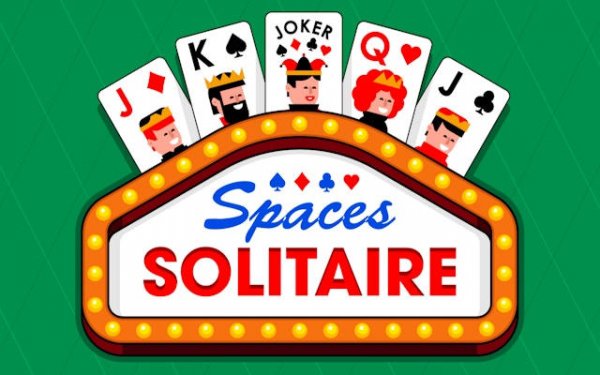
The board holds 52 cards split across four rows, and each row has exactly one vacant slot. The goal is to reorganize every card until each row contains only one suit, ordered from lowest to highest. A card can move only into an empty space, and only when the card immediately to its left shares the same suit and has a lower value. That single rule turns a simple grid into a chain of dependencies, because every legal move changes which slots become available next.
Planning Beyond the Next Move
Because empty slots are the only tool for rearrangement, players must decide which gaps to create and which to fill. A move that looks helpful can block a future sequence if it places a card where a different suit needs to pass through. Success comes from looking several moves ahead and visualizing how one relocation affects the rest of the board. Each session starts with a fresh arrangement, so no two puzzles play out the same way.
Interface and Accessibility
The interface keeps distractions low, with clear card faces and a clean background so attention stays on the logical puzzle. The game runs on various devices without requiring a download, which makes it easy to start a short session during a break or continue for longer stretches. Because the rules are straightforward and no reading is required beyond card values, the puzzle welcomes players of any age. Children can practice number and suit recognition, while adults get a calm mental workout without timers or pressure.
Compatibility
Player Comments
Sign in to comment
You must be logged in before posting a review or rating.
No comments yet. Be the first to comment!
Similar Titles

Rabbit Adventurer: Hook & Harpoon Puzzle

Space Transport: Color Match Challenge

Bricks Breaker Color Smash Puzzle

StaxFall: Physics Stacking Puzzle

Wobble Man 3D Stealth Puzzle
Core Discovery: Mining Strategy Game

Thomas's Drawing Puzzle Adventure

Chick Bounce Climb Adventure

Meme Sliding Puzzle Challenge

Editorial Notes