
Reviews
Description
Command Center Protection
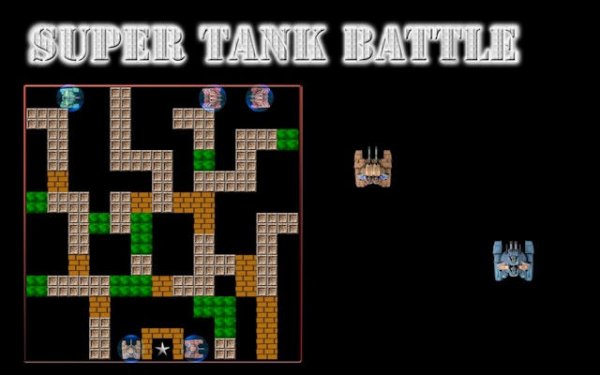
In Pixel Fortress: Tactical Standoff, the primary objective is to keep your headquarters safe from enemy advances. The game ends if this core structure is destroyed, so every decision must weigh aggressive moves against defensive needs. Players learn to position units in ways that create a protective perimeter while still allowing for counterattacks. This push-and-pull between safety and aggression forms the heart of the experience.
Battlefield Variety
Each map presents a different layout with obstacles, narrow passages, and open areas that influence how you deploy your forces. Some fields favor ranged units, while others require close-quarters positioning. Learning the geography of each battlefield becomes a rewarding part of the gameplay loop, as successful strategies often hinge on using the environment to your advantage.
AI Assistance System
A helpful AI ally can be directed to draw enemy attention, giving you breathing room to reposition or launch a focused assault. This companion does not replace your own planning but serves as a tactical tool. Knowing when to call for support and when to let it act independently adds a layer of strategic depth.
Power-Up Collection
Scattered across each map are temporary enhancements that boost your units' performance. These may increase firing rate, movement speed, or defensive strength for a short period. Collecting them at the right moment can turn the tide of a difficult encounter, but chasing them recklessly might leave your base exposed.
Visual Style & Atmosphere
The pixel art aesthetic gives the game a clean, readable look that makes unit identification and terrain analysis straightforward. This retro-inspired presentation also evokes a sense of nostalgia for classic arcade strategy titles. The visual clarity helps players focus on tactical decisions without unnecessary visual clutter.
Difficulty Scaling
Newcomers can start with simpler maps that teach basic positioning and resource management. More experienced players will find later battlefields demand precise timing and creative use of the AI helper. The gradual increase in complexity ensures that the game remains accessible while still offering a meaningful challenge for veterans.
Compatibility
Player Comments
Sign in to comment
You must be logged in before posting a review or rating.
No comments yet. Be the first to comment!








Editorial Notes